

Learning with AI falls short compared to old-fashioned web search
Matched: AI
A study of over 10,000 participants found that people who used AI chatbots like ChatGPT to learn about topics developed shallower knowledge than those who used standard Google search. LLM users felt they learned less, expended less effort, and produced shorter, less informative advice. Researchers attribute this to AI eliminating the active "friction" of navigating and synthesizing sources yourself — a process that deepens understanding.

Student cheating dominates talk of generative AI in higher ed, but universities and tech companies face ethical issues too
Matched: AI, Artificial Intelligence
Debates about AI in higher education focus mainly on student cheating, but broader ethical issues deserve attention. These include tech companies training AI models on copyrighted material, student data privacy under vendor agreements, and unequal access to AI tools. Experts argue responsibility shouldn't fall solely on students — universities should vet AI tools, disclose vendor terms transparently, and update academic integrity policies, while tech companies must address their own ethical violations.

Bloom’s Taxonomy Question Stems: 100+ Examples to Boost Higher-Order Thinking
Matched: AI
Bloom's Taxonomy, developed in 1956 and revised in 2001, is a six-level framework guiding educators from basic recall to higher-order thinking. The levels — Remember, Understand, Apply, Analyze, Evaluate, and Create — use action-oriented verbs to shape learning objectives. Question stems tied to each level help students demonstrate comprehension, critical thinking, and creativity, making them useful tools for curriculum design and classroom assessment.

AI in the courtroom: the dangers of using ChatGTP in legal practice in South Africa
Matched: AI, Artificial Intelligence
A South African court case in January 2025 highlighted dangers of AI in legal practice after a legal team submitted mostly fabricated case law generated by ChatGPT. Only two of nine cited authorities were real. The court deemed the conduct irresponsible and referred the matter to the Legal Practice Council. Legal academics argue law schools must urgently teach AI literacy, emphasising verification, critical thinking, and professional ethics alongside AI tool use.

Where does human thinking end and AI begin? An AI authorship protocol aims to show the difference
Matched: AI, Artificial Intelligence
A philosophy professor argues that AI threatens accountability in education and professions by obscuring whether humans actually did the thinking behind submitted work. He is piloting an "authorship protocol" at Temple University that uses conversational AI prompts to verify student reasoning aligns with their writing, without keystroke surveillance. The system issues secure tags certifying work met specified conditions, aiming to preserve human judgment rather than detect AI use.
Top Hat Unveils AI-Powered Content Enhancer to Accelerate Title II Accessibility Compliance in Higher Ed
Matched: AI
Top Hat launched Ace Content Enhancer, an AI tool helping college educators meet WCAG 2.1 AA accessibility standards required under the DOJ's 2024 Title II ruling, with compliance deadlines starting April 2026. The tool scans course materials, flags issues, generates alt-text, and suggests improvements. Top Hat says thousands of faculty at over 1,500 North American institutions use its platform.

Can AI keep students motivated, or does it do the opposite?
Matched: AI
AI tools can boost student motivation under the right conditions, but effects vary. Studies show benefits when tools are used consistently, teachers provide guidance, and students maintain agency. Purpose-built platforms like Khanmigo and ALEKS outperform general chatbots for sustained engagement. However, overreliance can erode confidence once AI is removed. Cost barriers also raise equity concerns, as specialized tools remain inaccessible to many students who could benefit most.

AI in Standards: A Conversation with Google and Microsoft
Matched: AI
Google and Microsoft representatives will join a 1EdTech Labs webinar to discuss AI, edtech interoperability standards, and Model Context Protocol (MCP), a standard for providing AI models with educational context. The session aims to generate collaborative experiments rather than open-ended debate, with attendees invited to share ideas and expertise. Registration is open.

AI-generated lesson plans fall short on inspiring students and promoting critical thinking
Matched: AI, Artificial Intelligence
A study analyzing 311 AI-generated civics lesson plans from ChatGPT, Gemini, and Copilot found they largely promote rote memorization over critical thinking, with 90% of activities targeting only basic cognitive skills. Just 6% included multicultural content. Researchers recommend teachers use AI to supplement rather than replace their planning process, using detailed, framework-informed prompts instead of simple requests.

Why higher ed’s AI rush could put corporate interests over public service and independence
Matched: AI, Artificial Intelligence
Universities are rapidly forming corporate AI partnerships — with Nvidia, Microsoft, OpenAI and others — raising concerns about higher education's independence and public mission. Decades of corporatization have already shifted universities toward market-driven priorities, and AI is accelerating this trend. Financial pressures, enrollment declines, and competition for prestige may push institutions to prioritize commercial interests over academic freedom, public-good research, and democratic faculty governance.
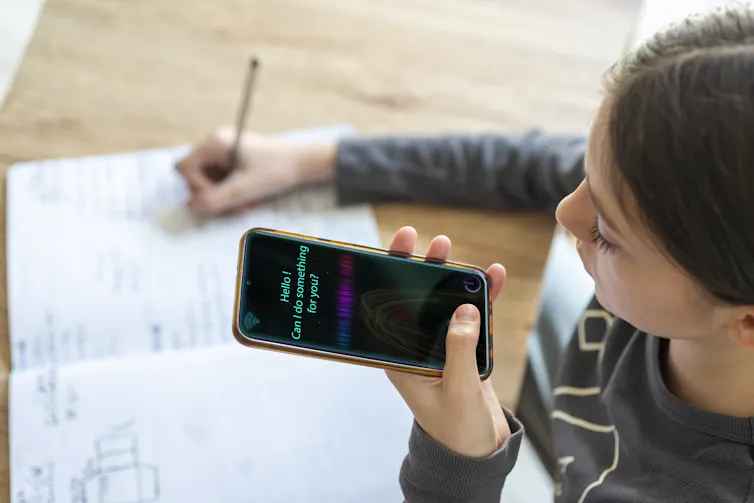
How does AI affect how we learn? A cognitive psychologist explains why you learn when the work is hard
Matched: AI
Early research on AI in education shows mixed results, with some benefits but also evidence of impaired critical thinking and over-reliance. Cognitive psychology offers useful context: learning requires effortful "System 2" thinking, and offloading that work to AI can weaken knowledge retention and cause students to overestimate their own understanding. While AI tutors that use Socratic questioning show some promise, they haven't consistently outperformed traditional study methods and introduce their own metacognitive pitfalls.
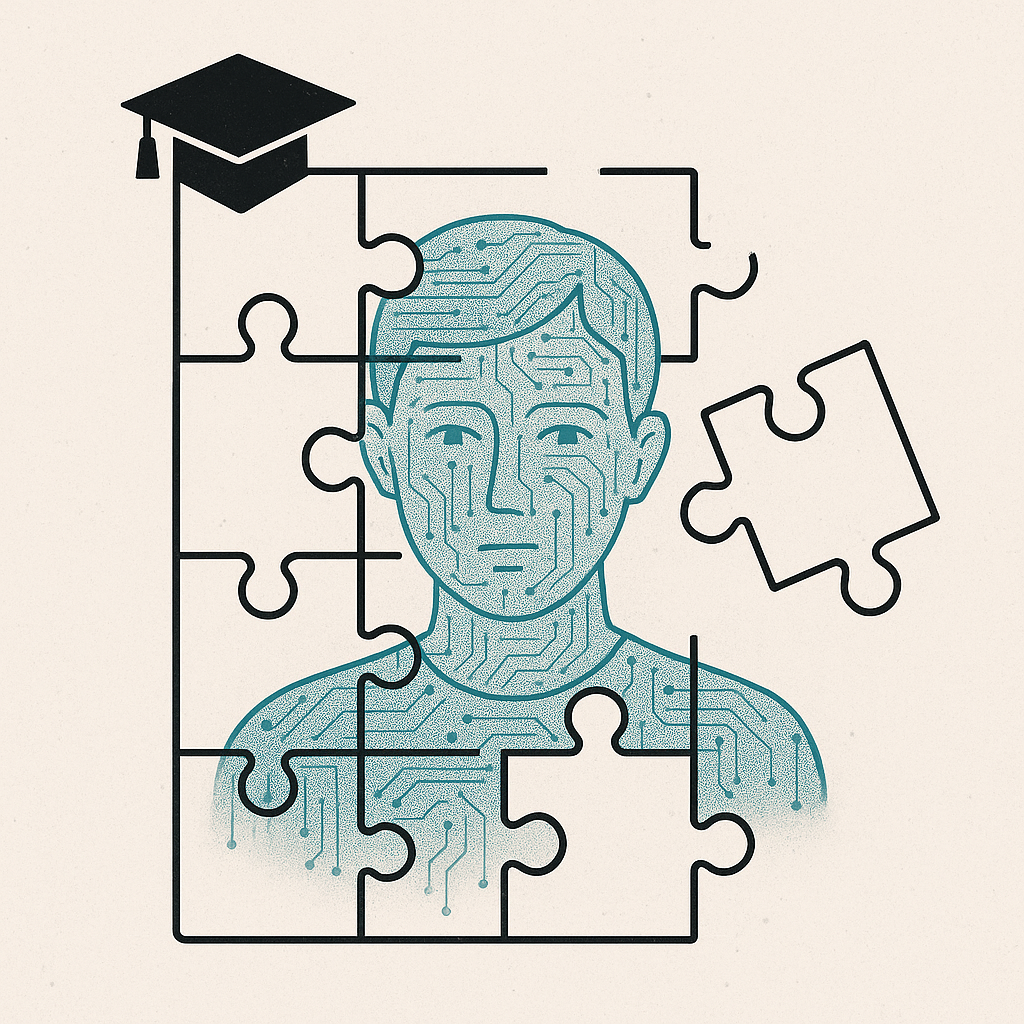
Digital Credentials, Workforce, and AI
Matched: AI
Chief Strategy Officer at 1EdTech shares evolving views on digital credentials after a year in the role. Key points: existing standards (Open Badges 3, CLR) already support most workforce credential needs; digital credentials are gaining real traction globally despite skepticism; the "LER" concept remains poorly defined while the downstream LER-RS résumé standard is clearer; and AI will lower costs on both supply and demand sides, shifting credential value from issuer reputation toward verifiable proof of skills.

Teachers are key to students’ AI literacy, and need support
Matched: AI, Artificial Intelligence
Teachers are underprepared for AI's rapid integration into classrooms, say Canadian researchers. The Canadian Teachers' Federation is urging federal and provincial governments to enact enforceable policies protecting student privacy and promoting ethical AI use. Experts argue teachers need tailored professional development covering AI literacy, societal impacts, and classroom integration strategies. A collaborative effort from policymakers, school boards, and researchers is essential to ensure AI adoption is strategic, equitable, and sustainable.

At one elite college, over 80% of students now use AI – but it’s not all about outsourcing their work
Matched: AI, Artificial Intelligence
A Middlebury College survey of 634 students found over 80% use generative AI for coursework, with most using it to enhance learning rather than cheat. Students most commonly used AI to explain concepts, describing it as an on-demand tutor. While 42% used AI for automation tasks like essay writing, this typically occurred during high-pressure periods or for low-stakes work. Findings were consistent with global data and verified against Anthropic's actual usage logs.

Kids need soft skills in the age of AI, but what does this mean for schools?
Matched: AI, Artificial Intelligence
As generative AI threatens white-collar jobs, schools are rethinking what skills students need. Unlike prior automation, AI can simulate coding, writing, and data analysis, making soft skills like emotional awareness, problem-solving, and interpersonal ability increasingly valuable. Teachers can build these through reflective exercises and real-world problem-solving. Experts also warn against letting AI shortcut learning, since effort is essential to building skills.
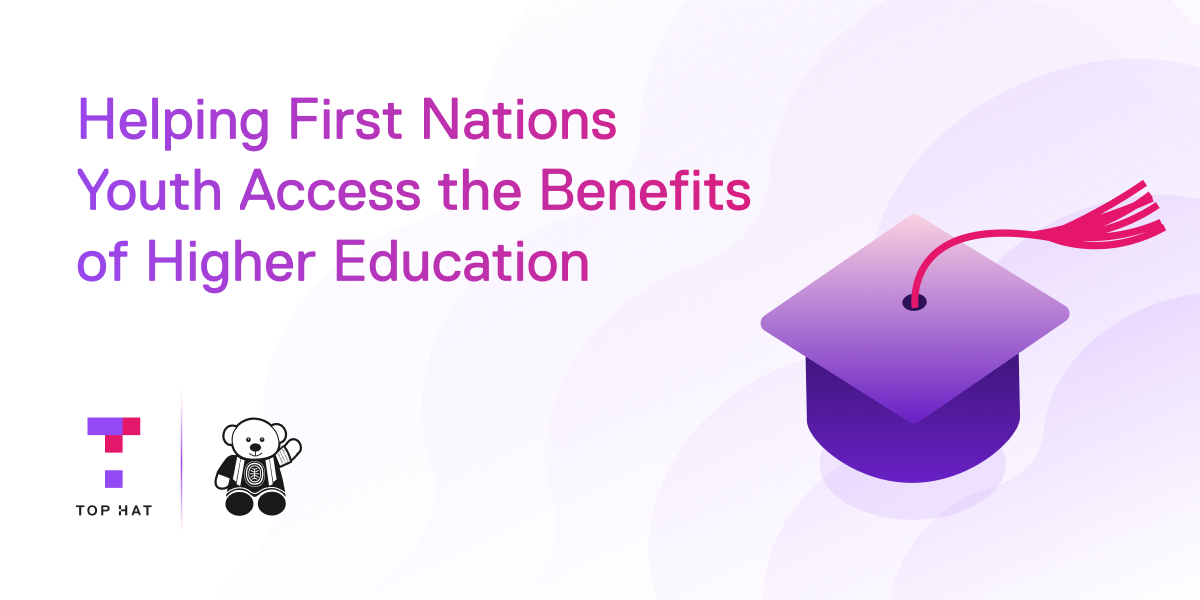
Top Hat and the First Nations Caring Society Award 2025 Shannen’s Dream Scholarships
Matched: AI
Top Hat and the First Nations Child & Family Caring Society have announced the 2025 Shannen's Dream Scholarship recipients. Top Hat funded two $10,000 and two $5,500 scholarships for First Nations post-secondary students demonstrating academic excellence and community leadership. The four recipients are Zoe Quill, Mercedes Stemm, Syndel Thomas Kozar, and Ruby O'Tennadzahe. Each recipient must complete a "pay-it-forward" contribution to a First Nations education initiative.
Blursday Socials Are Reborn! First One on Thursday, July 31st
Matched: AI
Blursday Socials are returning as 1EdTech Learning Impact Labs Live (LIL Live), hosted on Engageli. The first session runs Thursday, July 31st, 11:30 AM–12:30 PM ET. Guest Unizin CEO Bart Pursel will present two proposals: creating cross-platform standards for interleaving teaching practices, and tools to analyze how course design affects students changing majors. No pre-registration required; attendees join via link on the day.

Generative AI is coming to the workplace, so I designed a business technology class with AI baked in
Matched: AI, Artificial Intelligence
A University of Wisconsin-Stout professor integrated Microsoft 365 Copilot into a senior business technology capstone course, having students explore the tool freely and journal their experiences. Students quickly grew comfortable using AI to summarize meetings, draft slides, and review assignments, but struggled initially with writing effective prompts and encountered AI hallucinations, reinforcing the need for fact-checking. The instructor noted AI requires more critical reflection than standard software and plans to embed generative AI across more courses, emphasizing literacy over reliance.
EEP at 1EdTech Learning Impact: Solving the Right Problems
Matched: AI
The Empirical Educator Project (EEP) has joined 1EdTech and is inviting educators, researchers, and EdTech professionals to collaborate at the Learning Impact conference in Indianapolis in early June. An EEP mini-conference on June 2 will feature speakers proposing ideas for high-impact work. EEP will evolve into Learning Impact Labs, a broader initiative for education-focused research and proactive community-driven projects.
AI Mindscape Prompting
Matched: AI
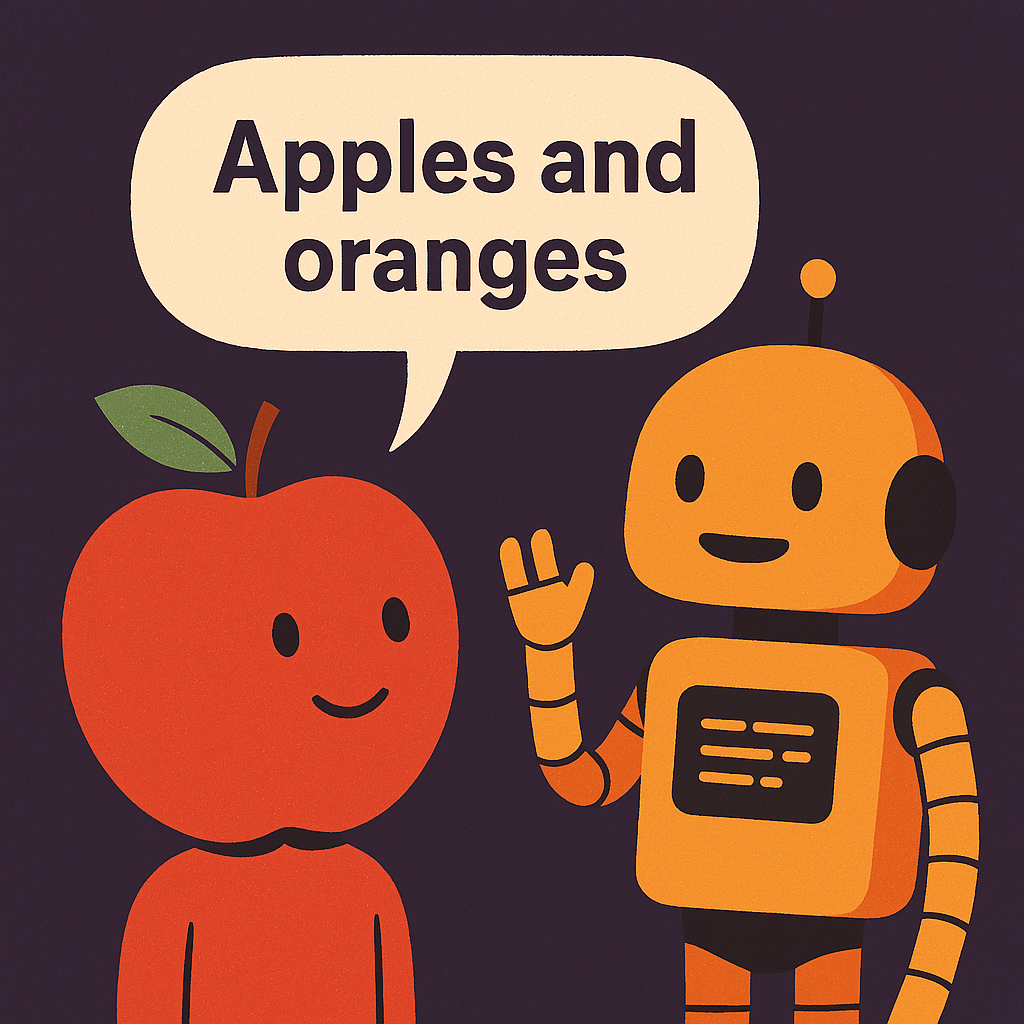
A conversation between educator Michael and Gemini AI explores how large language models actually work. Using the "apples and oranges" idiom as a framework, they discuss how AI processing resembles human cognition functionally—activating relevant knowledge based on context—while differing fundamentally in mechanism. Key insights include how prompting works as collaborative "mindscape" building rather than magic incantations, and how context windows enact distributed cognition and social constructionism concretely.