
Filtered by tag: artificial intelligence × Clear

5 Lessons for Building Institutional AI Capacity in Resource Constrained Settings
Matched: Artificial Intelligence
Cochise College in rural Arizona is using a $1.87 million federal grant called AI-Powered Success to build AI literacy across its institution and surrounding region. The four-year initiative supports faculty professional development, staff capacity-building, K–12 and industry partnerships, and workforce microcredentials with stackable badges linked to college credit, offering lessons for resource-constrained institutions navigating generative AI pressures.

AI Task Forces Drive Policy, Adoption and Innovation in Higher Ed
Matched: Artificial Intelligence
Colleges are forming cross-functional AI task forces to address challenges outpacing governance, including shadow AI use by departments operating outside IT oversight, equity gaps between students with access to premium versus free AI tools, and faculty struggles to uphold academic integrity without becoming full-time AI-detection enforcers.

When Student Laptops Fall Behind, Campus IT Can Close the Gap
Matched: Artificial Intelligence
Many college students struggle with laptops that can't meet growing academic demands. An NVIDIA survey of 1,000 U.S. undergraduates found 61% report more demanding coursework, 64% run multiple demanding applications daily, and 77% say their major influences their laptop choice. As AI-assisted work becomes standard, campus IT departments face pressure to help bridge the gap when personal devices fall short.

Universities Lean on Existing Investments to Launch AI Tools
Matched: Artificial Intelligence
Several universities are rolling out AI tools by leveraging existing vendor relationships rather than building new infrastructure. Schools like Case Western Reserve are offering students and staff access to tools like Google's Gemini through existing institutional accounts, lowering costs and implementation barriers while expanding access to AI writing, learning, and image-generation capabilities across campuses.
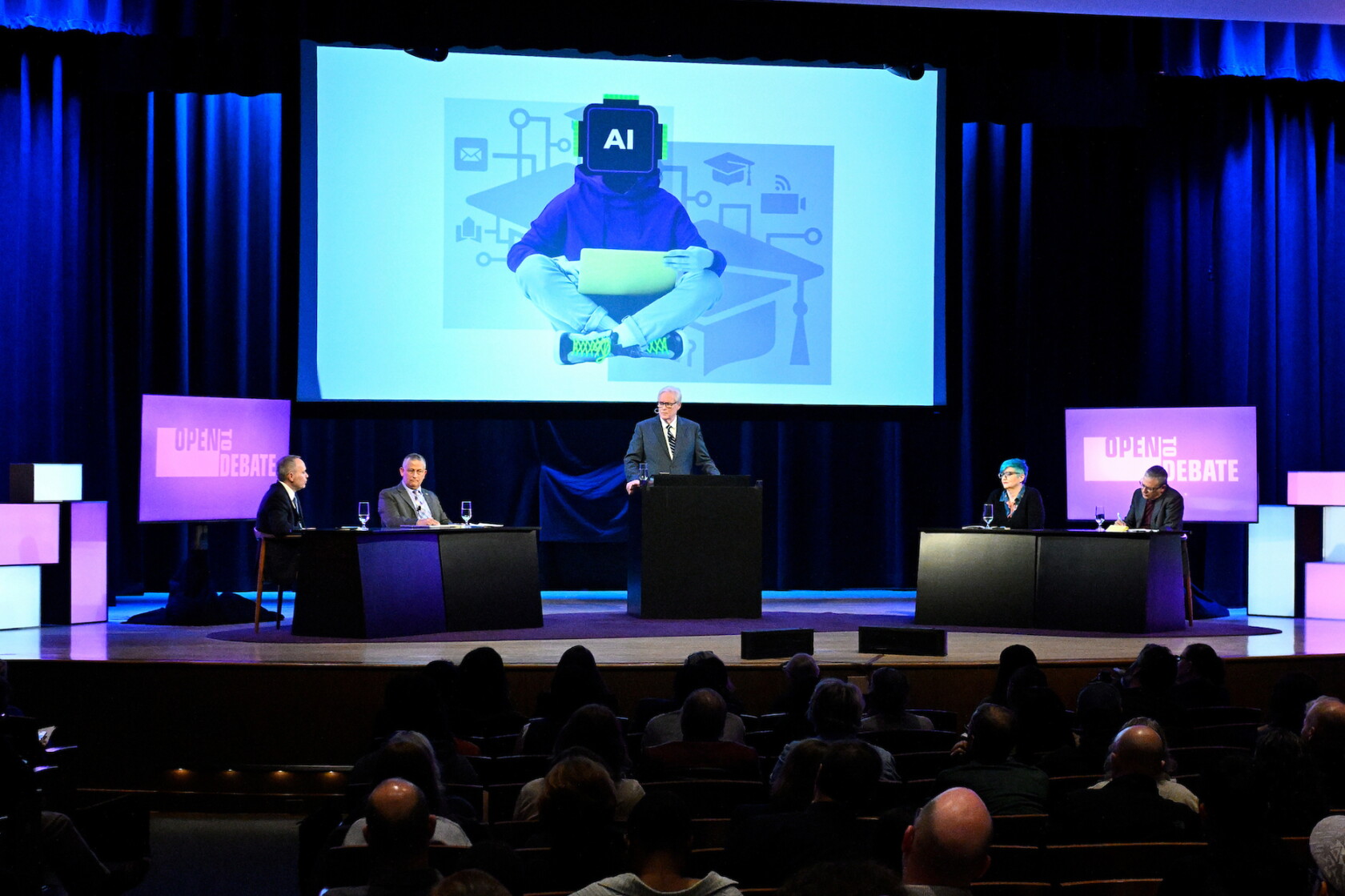
Debaters Tried to Change People's Minds About AI. Here's What Happened.
Matched: Artificial Intelligence
A Tuesday debate on AI's impact on college students drew a notably uncertain audience, with over a third of attendees undecided beforehand. Debaters on both sides attempted to sway opinion on whether generative AI helps or harms students' education. The outcome reflected broader uncertainty around a topic that, despite widespread public discussion, leaves many people genuinely unsure where they stand.

Higher Ed Cybersecurity Adapts to Growing AI Threats
Matched: Artificial Intelligence
Higher education institutions face growing cybersecurity threats as AI enables more sophisticated attacks with less effort. Universities are particularly vulnerable due to decentralized IT structures, sprawling networks, and sensitive student and research data. While bad actors exploit AI to scale attacks, IT teams are also adopting AI-powered tools to defend against them, forcing campuses to rethink traditional security models.

AI is raising the first rung: Who will turn graduates into professionals?
Matched: Artificial Intelligence
AI is absorbing routine entry-level work that traditionally helped graduates develop professional judgement, disrupting the longstanding arrangement between universities, employers and professional bodies. Entry-level roles are becoming "seniorised," demanding leadership and adaptability earlier. The author argues universities must embed judgement-building across curricula, employers must replace the developmental value of routine work deliberately, and government should establish a formal graduate formation model clarifying responsibilities and funding — with equity in access a central concern.

AI and the humanities: crisis or opportunity?
Matched: Artificial Intelligence, generative AI
AI poses both a threat and opportunity to humanities education. LLMs risk devaluing degrees if students submit AI-generated work — professors identified it correctly only 53% of the time in one study. Yet graduates who develop genuinely human skills like critical thinking, ethical reasoning, and cultural understanding may become more valuable to employers precisely because AI cannot replicate these abilities. Universities should adopt assessments, such as oral exams, that cannot be AI-generated.

The next university crisis will not be about students using AI
Matched: Artificial Intelligence, generative AI
Universities have focused AI debate on student use, but the bigger risk is how AI is embedded in institutional operations — recruitment, administration, data, and decision-making. With 95% of students already using AI, universities now face a governance challenge: fragmented oversight, unclear accountability, and growing dependency without resilience. The author argues institutions must develop visibility, accountability, assurance, capability, and resilience before AI failures cause serious harm.

Oregon State U. Put Its Chips on Computer Science. Then the Bottom Fell Out.
Matched: generative AI
Oregon State University is facing a $19 million budget shortfall after over-investing in computer science, a major that saw surging enrollment demand. The rise of generative AI has since dampened student and employer interest in the field, causing enrollment to drop sharply. The situation highlights the financial risks universities face when they tie academic expansion to volatile job market trends.

Every student needs a minimum AI requirement
Matched: Artificial Intelligence, generative AI
A mathematics teacher writing for HEPI argues universities should treat AI literacy as an equality issue, not optional enrichment. While 95% of undergraduates use AI, only 48% feel staff are helping them develop relevant skills, and social-grade gaps persist. The author proposes a minimum first-term AI entitlement covering tool access, discipline-specific verification training, low-stakes practice, and clear assessment rules, suggesting this be embedded in existing access and participation plans.

Would You Hire a Ph.D. Who Wrote Their Dissertation With AI?
Matched: AI
A new working paper found AI writing tools appearing in nearly one-third of STEM doctoral dissertations filed between January and May of this year, raising questions about whether employers and academic institutions should be concerned about hiring PhD graduates who used AI to help write their dissertations.
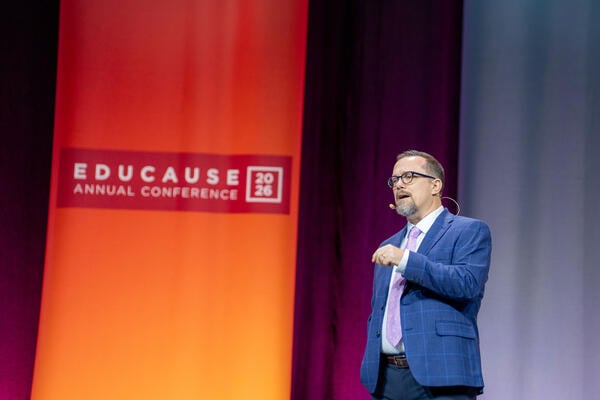
Technology Officers Navigating ‘Age of Perpetual Change’
Matched: Artificial Intelligence
Chief technology officers at colleges and universities say determining where AI adds genuine value and preparing students for an unstable future are their top priorities, according to new research. The findings reflect what technology leaders describe as an era of constant, accelerating change that requires ongoing adaptation in both institutional strategy and student preparation.

Most Academics Haven't Used AI to Write but Think Limited Use Is OK, Chronicle Survey Finds
Matched: AI
A Chronicle of Higher Education survey found most academics have not used AI to write their work, but many consider limited use acceptable. Opinions on what constitutes appropriate use varied across disciplines. The findings reflect ongoing uncertainty within higher education about where to draw boundaries around AI assistance in academic writing and research.

How to Assign Research Papers Again
Matched: AI
Two political science professors argue that research paper assignments remain valuable but require adaptation in the AI era. They suggest three approaches: requiring students to submit drafts and process documentation, conducting brief oral follow-ups where students discuss their written work, and designing more specific, personalized prompts that are harder for AI to address generically. The goal is restoring confidence in authentic student writing.

AI is everywhere. Expertise is the difference.
Matched: AI, Artificial Intelligence
Ellucian argues that generic AI falls short for tertiary education because institutions operate through complex policies, governance, compliance rules, and workflows that pattern-based AI lacks context to navigate. The company promotes "institutional intelligence" — purpose-built AI trained on how universities and colleges actually operate — to support administrative processes, student services, and decision-making while maintaining governance and compliance alignment.

Could AI Be Better at Peer Review Than Humans?
Matched: AI
A journal editor reflects on AI's potential role in peer review, noting it could address chronic problems like reviewer shortages, delays, and inconsistency. AI can quickly assess clarity, methodology, and statistical errors without fatigue or bias. However, concerns remain about AI missing nuanced scientific judgment, rewarding conventional thinking, and lacking accountability. The author concludes AI may best serve as a supplement to, not replacement for, human reviewers.

AI-Edited Stanford Ad Violated University Policy, Official Says
Matched: AI
Stanford University has determined that an AI-edited advertisement violated university policy, according to an official. The ad was modified using artificial intelligence tools without proper authorization or oversight, breaching internal guidelines governing the use of such technology. The incident has prompted the university to review its policies around AI use in official communications and promotional materials.

AI Isn’t Making Comms Teams’ Jobs Any Easier
Matched: AI
Despite expectations that AI would reduce workload, many communications professionals say it's actually created more work. Teams must now verify AI-generated content, navigate new ethical questions, and manage AI-related reputational risks. Experts argue communicators should help shape internal AI policies rather than simply adapt to them, as their expertise in messaging, trust, and audience understanding is critical to responsible AI adoption.

Silicon Valley AI Academy Seeks ‘Main Character’ Students
Matched: AI
Andreessen Horowitz is launching an unaccredited academy aimed at young people, teaching them to thrive in the AI era at costs comparable to Ivy League tuition. The program emphasizes self-directed, ambitious students. Critics have dismissed it as a vanity project reflecting the firm's broader ideological agenda, while supporters see it as a practical alternative to traditional higher education.

Why Does an AI Faculty Shortage Exist? It’s Complicated.
Matched: AI
Universities are struggling to hire AI faculty because they can't compete with tech industry salaries, which can reach several times what academia offers. Demand for AI expertise has surged while the pipeline of qualified PhD graduates remains limited. Many researchers also prefer industry labs for resources and fewer administrative burdens. Some schools are experimenting with joint appointments and adjunct roles to fill gaps.

AI Writing Detection: A Losing Battle Worth Fighting
Matched: AI
Tools designed to detect AI-generated text are proving unreliable, frequently flagging human writing as machine-made and missing actual AI content. Experts disagree on whether the technology can ever be accurate enough to be useful. Despite flaws, many educators and institutions continue using detectors, arguing that imperfect tools still create some deterrent, even as critics warn the false positives cause real harm to students.

AI Bots Can Seem Sentient. Students Need Guardrails.
Matched: AI
Increasingly lifelike AI chatbots are raising concerns among educators about students forming emotional attachments or mistaking AI responses for genuine understanding. Experts argue schools need clear guidelines on appropriate AI use, teaching students to think critically about how these tools work, recognize their limitations, and avoid over-relying on them for emotional support or intellectual tasks.
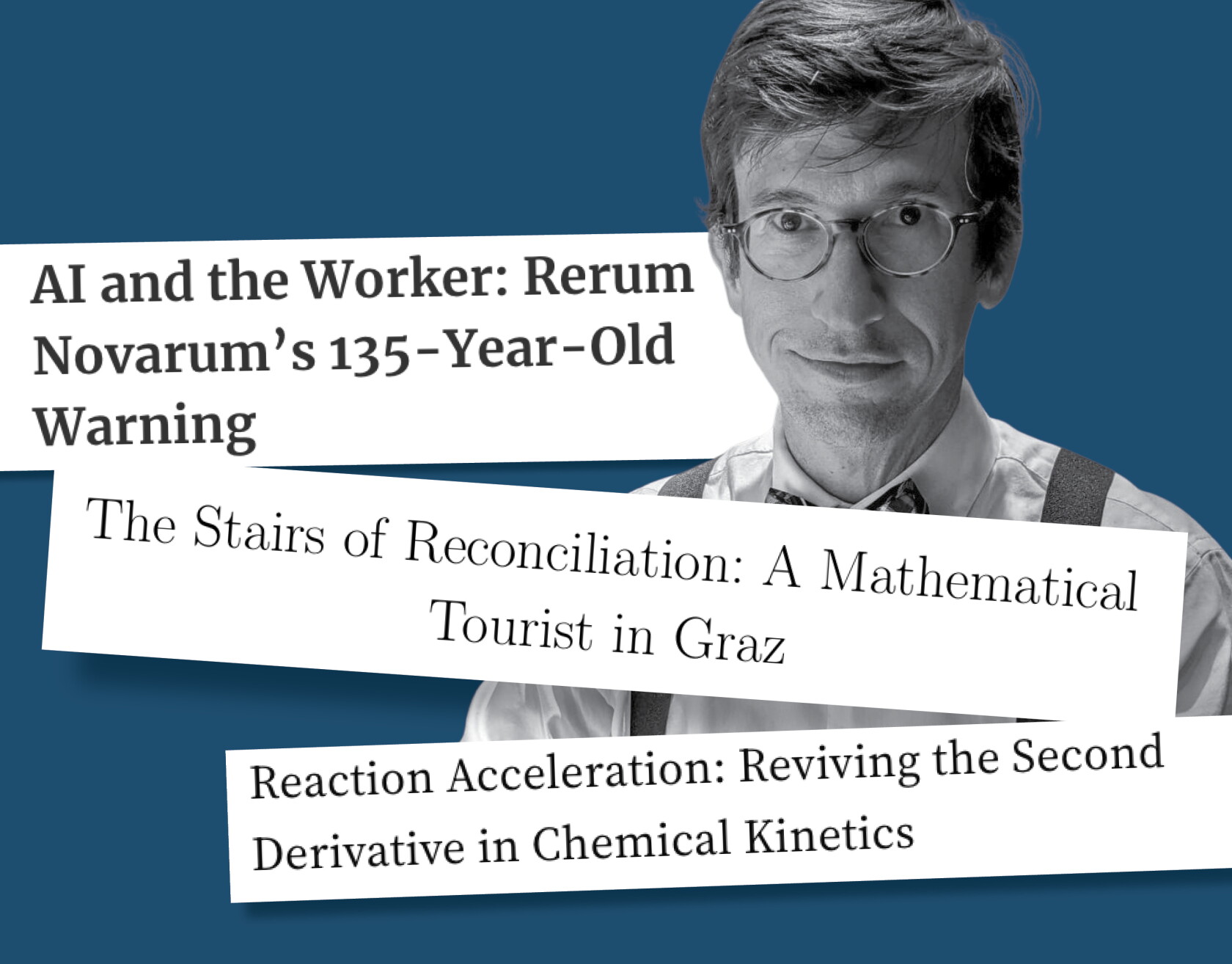
Dartmouth’s Provost Quietly Used AI in His Published Work. It’s Touched Off a Campus Firestorm.
Matched: AI
Dartmouth's provost acknowledged using AI-generated text in a published academic article without disclosure, sparking controversy on campus. Critics argue the incident undermines academic integrity standards students are held to. The situation has intensified broader debates at Dartmouth over the college's generally permissive stance toward AI use, with faculty and students questioning whether leadership is modeling appropriate behavior.

The Most AI-Exposed College Graduates Are Entering Another Great Recession
Matched: AI
Recent Census Bureau data shows college graduates in AI-exposed fields are entering a difficult job market, potentially rivaling past recessions. The findings may influence students' major choices as those in certain fields face greater economic vulnerability. The report provides concrete evidence of how specific majors are performing, linking AI's growing role in the economy to shifting employment outcomes for new graduates.