
Filtered by category: Higher Ed Chronicle, tag: artificial intelligence × Clear
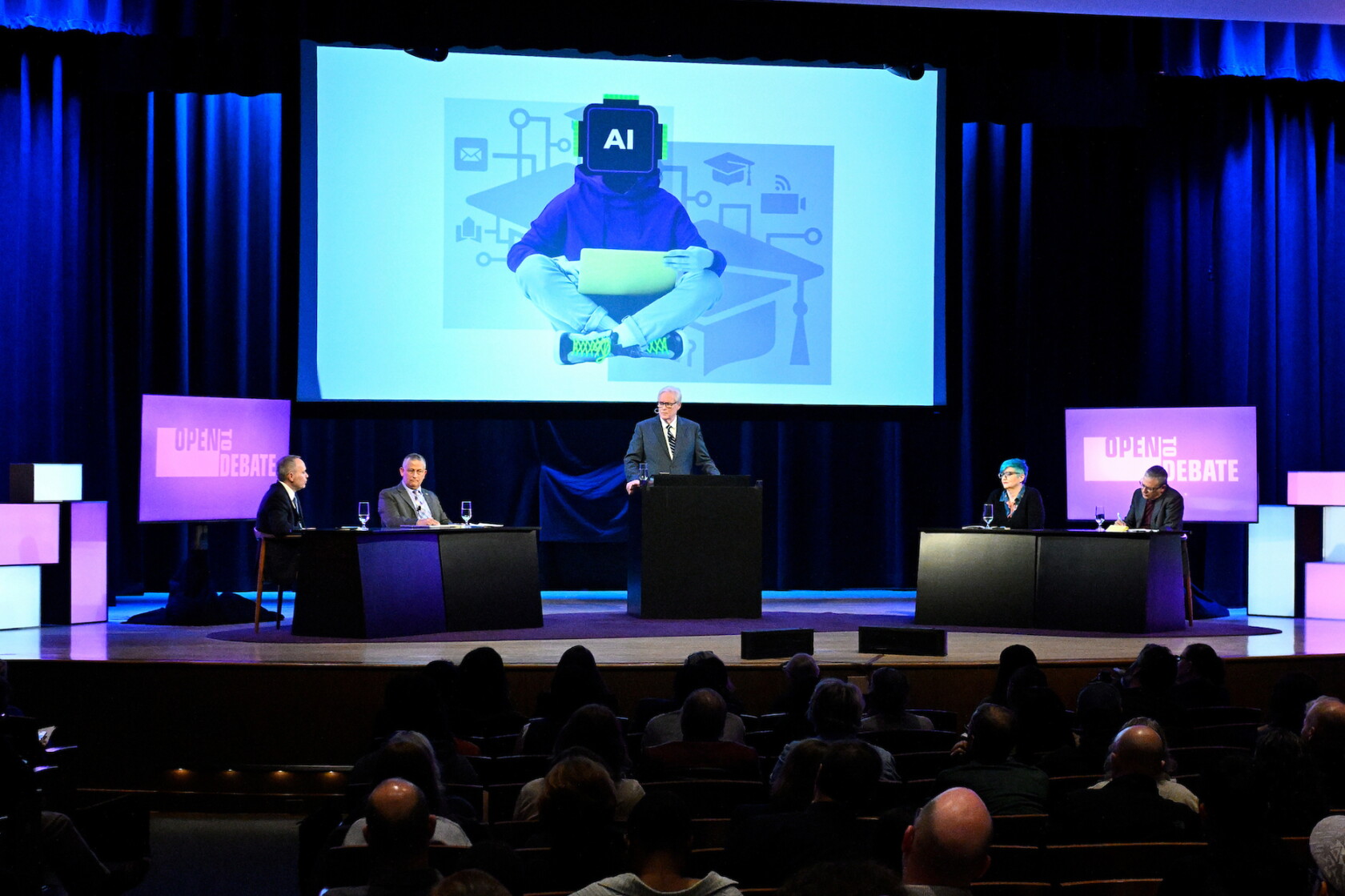
Debaters Tried to Change People's Minds About AI. Here's What Happened.
Matched: Artificial Intelligence
A Tuesday debate on AI's impact on college students drew a notably uncertain audience, with over a third of attendees undecided beforehand. Debaters on both sides attempted to sway opinion on whether generative AI helps or harms students' education. The outcome reflected broader uncertainty around a topic that, despite widespread public discussion, leaves many people genuinely unsure where they stand.

Oregon State U. Put Its Chips on Computer Science. Then the Bottom Fell Out.
Matched: generative AI
Oregon State University is facing a $19 million budget shortfall after over-investing in computer science, a major that saw surging enrollment demand. The rise of generative AI has since dampened student and employer interest in the field, causing enrollment to drop sharply. The situation highlights the financial risks universities face when they tie academic expansion to volatile job market trends.

Would You Hire a Ph.D. Who Wrote Their Dissertation With AI?
Matched: AI
A new working paper found AI writing tools appearing in nearly one-third of STEM doctoral dissertations filed between January and May of this year, raising questions about whether employers and academic institutions should be concerned about hiring PhD graduates who used AI to help write their dissertations.

Most Academics Haven't Used AI to Write but Think Limited Use Is OK, Chronicle Survey Finds
Matched: AI
A Chronicle of Higher Education survey found most academics have not used AI to write their work, but many consider limited use acceptable. Opinions on what constitutes appropriate use varied across disciplines. The findings reflect ongoing uncertainty within higher education about where to draw boundaries around AI assistance in academic writing and research.

How to Assign Research Papers Again
Matched: AI
Two political science professors argue that research paper assignments remain valuable but require adaptation in the AI era. They suggest three approaches: requiring students to submit drafts and process documentation, conducting brief oral follow-ups where students discuss their written work, and designing more specific, personalized prompts that are harder for AI to address generically. The goal is restoring confidence in authentic student writing.

Could AI Be Better at Peer Review Than Humans?
Matched: AI
A journal editor reflects on AI's potential role in peer review, noting it could address chronic problems like reviewer shortages, delays, and inconsistency. AI can quickly assess clarity, methodology, and statistical errors without fatigue or bias. However, concerns remain about AI missing nuanced scientific judgment, rewarding conventional thinking, and lacking accountability. The author concludes AI may best serve as a supplement to, not replacement for, human reviewers.
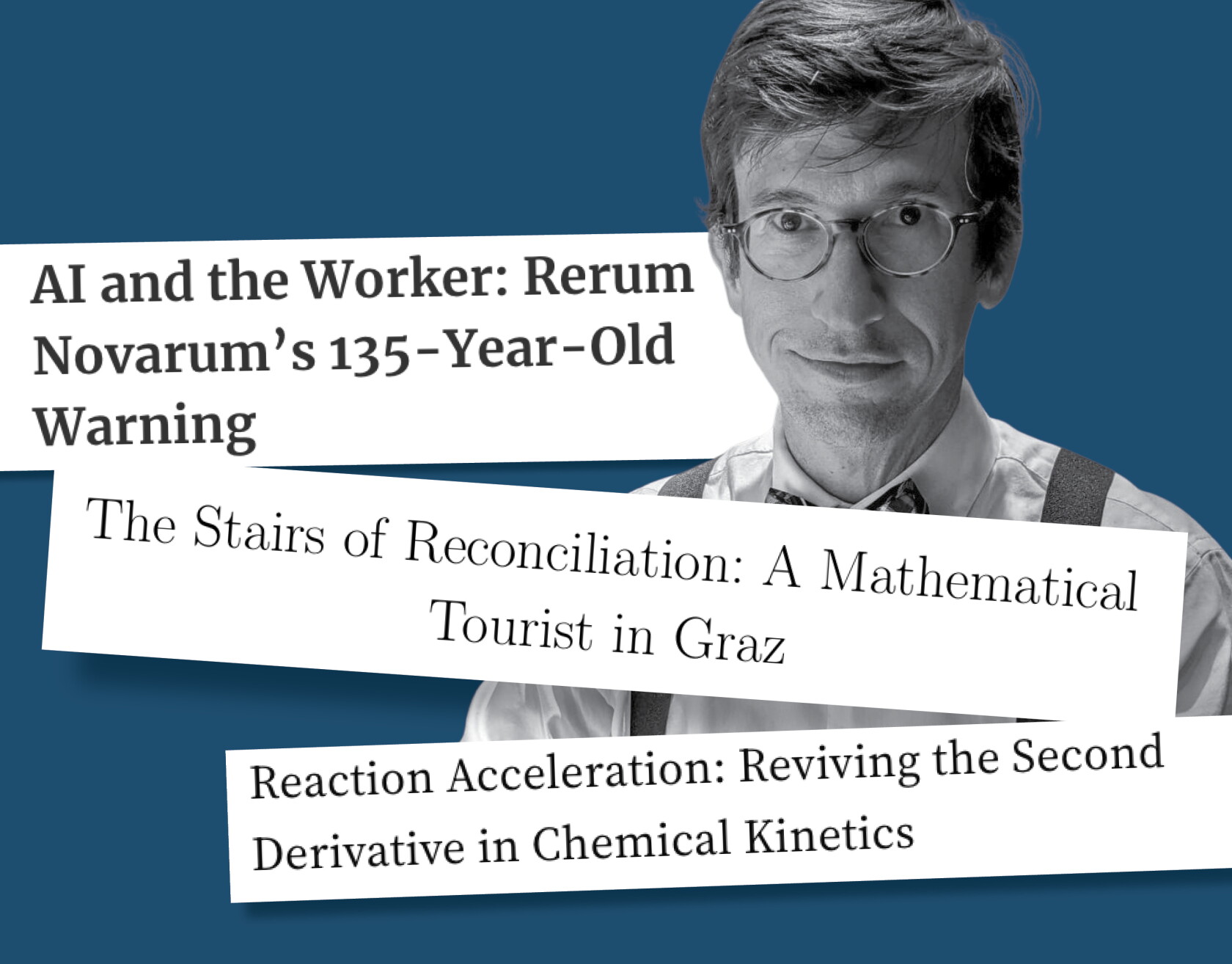
Dartmouth’s Provost Quietly Used AI in His Published Work. It’s Touched Off a Campus Firestorm.
Matched: AI
Dartmouth's provost acknowledged using AI-generated text in a published academic article without disclosure, sparking controversy on campus. Critics argue the incident undermines academic integrity standards students are held to. The situation has intensified broader debates at Dartmouth over the college's generally permissive stance toward AI use, with faculty and students questioning whether leadership is modeling appropriate behavior.

The Most AI-Exposed College Graduates Are Entering Another Great Recession
Matched: AI
Recent Census Bureau data shows college graduates in AI-exposed fields are entering a difficult job market, potentially rivaling past recessions. The findings may influence students' major choices as those in certain fields face greater economic vulnerability. The report provides concrete evidence of how specific majors are performing, linking AI's growing role in the economy to shifting employment outcomes for new graduates.